

As someone with numerous mental health problems myself, I was initially a bit anxious about playing Fractured Minds. It looked pretty creepy and I really struggle to deal with horror games – especially when they’re laser focused on mental health issues that I already have difficulty dealing with.
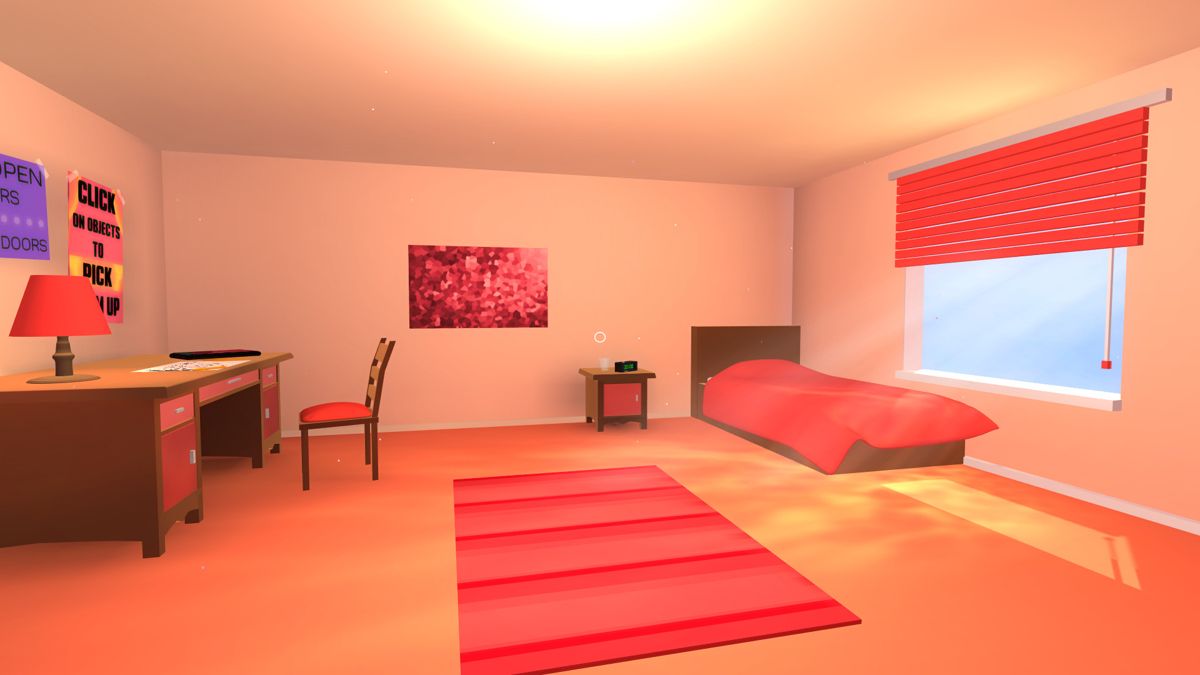
Thankfully, though it doesn’t deal with these issues in an ‘easy’ or – heaven forbid – light-hearted way, the experience is short enough that it didn’t overwhelm me.
Essentially a set of six first person puzzle rooms – with brief corridors to link some of them together – Fractured Minds sets out to deal with issues such as isolation and anxiety, set in recognisable real world environments that have been nightmarishly twisted to become somewhat surreal.
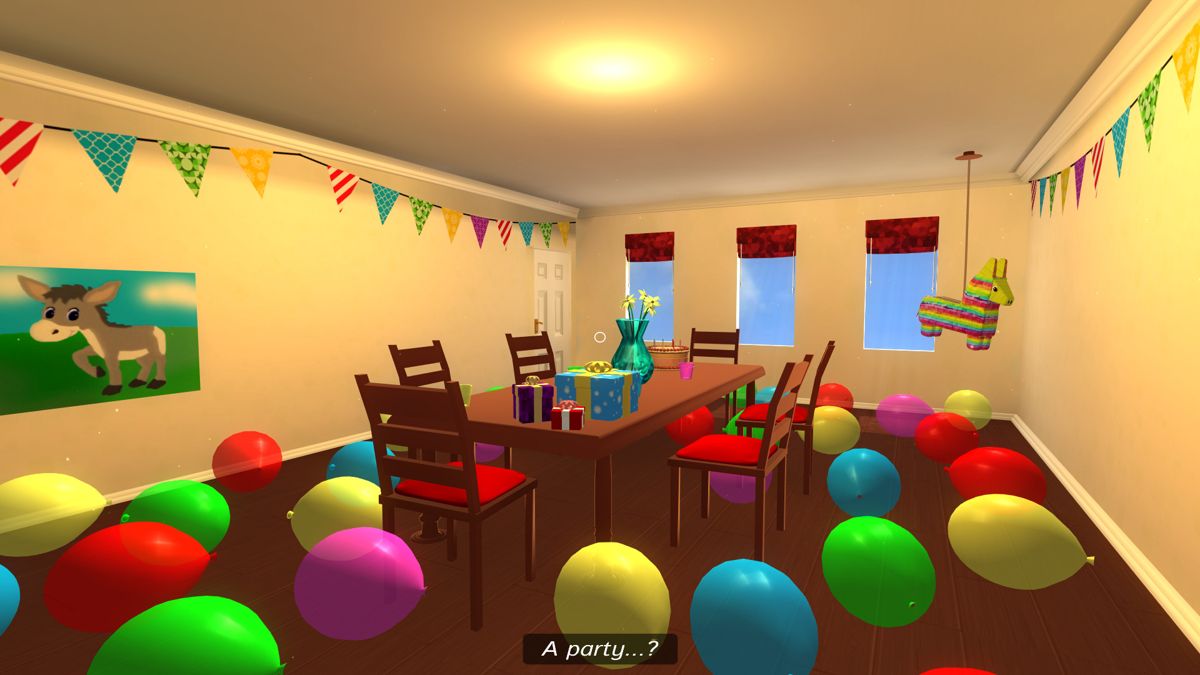
Though a few of the puzzles can leave you scratching your head as to how on earth you’re supposed to complete them, Fractured Minds is unlikely to take you more than 20-30 minutes to complete. I had no issue with the game’s length at all; it’s billed as a short experience and – given the weighty subject matter – was the right length so as to ensure everything in the game could be experienced without it being overwhelming.
It’s worthy subject matter, of course, and though I didn’t always feel the connection to real mental health issues in the course of play, upon thinking through the scenarios and how they could apply, it definitely gave me food for thought. The struggle to find batteries for a remote control when under extreme stress, for example, didn’t initially gel with me from a mechanics point of view (avoiding the red lights in the environment just felt too ‘gamey’ and not applicable to an internal struggle), but the difficulty in coping with such a mundane and seemingly straightforward task when battling against your own mind was something I eventually found very relatable – and was empathetic to.

The brief ending offers up a neat twist, which does help to contextualise the events of the six scenes you’ve played through.
It’s a very powerful piece, with some brilliantly evocative music. Though I can see how it wouldn’t be of appeal to everyone – it’s essentially a brief walking simulator with presentation rooted in surrealism – I found that it lingered in the mind for quite some time after I completed it, perhaps appropriately.



 MLGG: Pop Culture News, Reviews & Interviews
Leave a reply to AK Cancel reply